It’s surprising how much rough ground a side-by-side can cover on tires. But there’s a point where horsepower stops being the deciding factor. Think of deep snow burying the wheels, spring mud chewing up a trail you’ve driven for years, or a soft pasture that shows deep ruts the moment you cross it.
When you rely on your machine, getting stuck is more than an inconvenience. The result may be a delayed livestock feeding, a canceled hunting trip, or no way to reach a remote property.
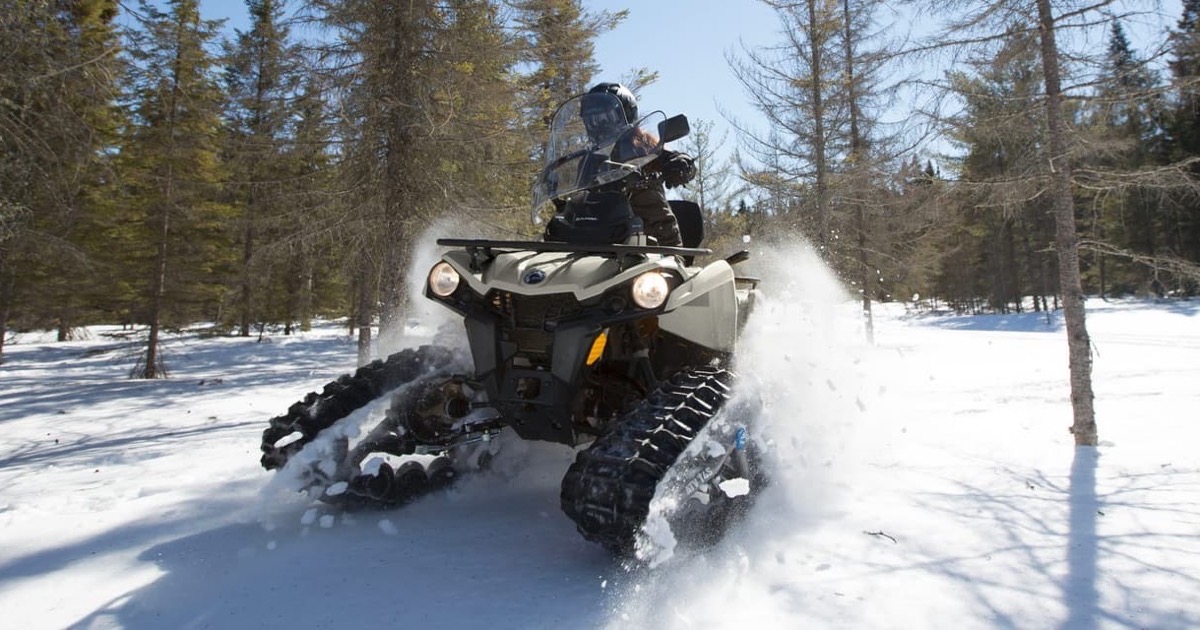
UTV tracks take a different approach to these conditions, though picking the right setup takes more than choosing the most aggressive-looking tread.
What a Bigger Footprint Does for a UTV
With a tire, the whole machine rests on a fairly small patch of ground. A track, on the other hand, puts the weight on a far larger surface. That is why a side-by-side stays up better in snow and soft soil instead of sinking as deeply.
Mud, packed snow, and loose terrain are easier to cross with quality UTV track systems, which provide extended traction surfaces. But, no set of tracks can guarantee a machine won’t get buried. Bad calls behind the wheel, hidden obstacles, and deep, wet mud can still strand a tracked UTV.
The Real Question Is What You Need to Reach
Consider a rancher checking livestock after a winter storm. Their priority is dependable access while carrying feed and equipment. Compare that with an ice fisherman traveling to a favorite fishing location. Snow flotation and maneuverability may matter more to that driver than heavy hauling.
Both can benefit from tracks for UTVs, but they may not need identical systems. Before choosing a kit, hunters, landowners, and recreational riders should consider their usual terrain, expected loads, and travel distances. Buying more capacity than your work requires can add needless expense.
What Changes Once the Tires Come Off?
Adding tracks to a UTV changes the way it drives. Most systems sacrifice substantial top speed in exchange for improved traction and flotation. About a third is the average speed reduction published by some manufacturers, though the machine and conditions affect actual performance.
Tracks bring additional rotating weight and resistance, meaning higher fuel consumption and more demands on the drivetrain. Because of this, regular inspections, correct track tension, and careful operation are especially important.
Driving long distances on pavement or abrasive gravel will accelerate rubber-track wear. A driver who mostly uses maintained roads will probably be better off keeping tires.
Check the Fit Before You Fall for the Look
Side by side tracks don’t all fit every UTV. Mounting hardware is designed around specific vehicle configurations, including make, model, and year. Similar powertrains do not guarantee identical attachment components.
Before ordering side by side track systems , confirm compatibility and request a complete list of required mounting parts, anti-rotation hardware, and any additional installation components. When vehicle-specific hardware is included, a system advertised at one price may cost more.
Plan for the Entire Season
If snow, mud, or soft ground regularly blocks the way to places you need to reach, tracks can be especially useful. They may also help reduce rutting on sensitive property by distributing vehicle weight more widely, although soil conditions and driving practices still matter.
At ATVTracks.net, buyers can compare four UTV track system options and check fitment for their particular machines. The priciest, heaviest-duty setup isn’t automatically the best purchase. What matters is enough capability for your real conditions, with no unnecessary compromises.
A side-by-side that rarely leaves firm trails might do fine on good tires. But when seasonal conditions repeatedly close the route, a properly matched track system can make that machine useful for more of the year.