The term “torque-converter” is well recognized by car enthusiasts. In automotive engineering, torque converters are essential, especially in automatic transmission systems. They have a crucial role to play in making sure that the vehicle runs smoothly as well as power transmission and a pleasant driving experience. In this guide we’ll explore the intricacy of torque converters, delving into their internal workings and shedding an understanding of their vital contribution to the auto industry.
Torque Converters – – What you need to be aware of
Power Transmission at its Core The torque converter or fluid coupling, is designed to be used in conjunction with automatic transmissions. Its primary purpose is to transfer power from the engine to transmission which then propels the wheel. This mechanism is integrated into the automatic transmission it bridges the gap between the power of the engine and wheel’s movement.
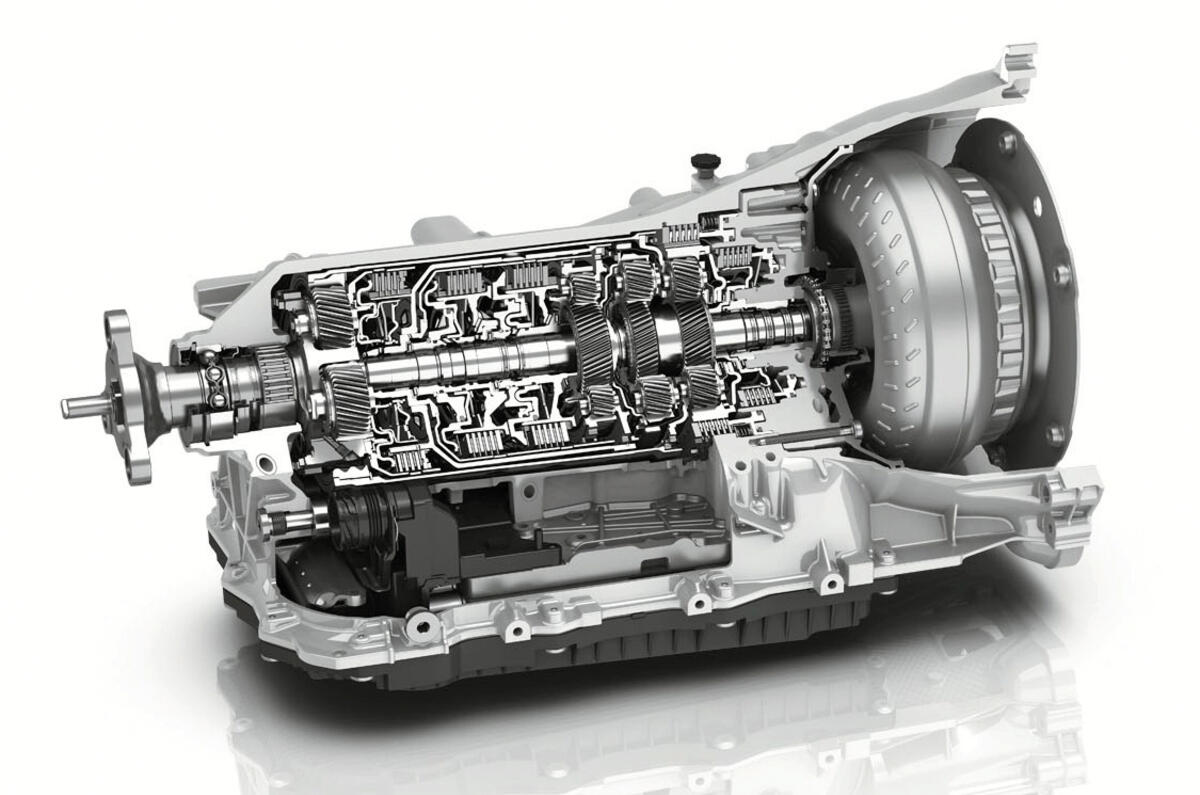
Components in Play: The torque converter is an advanced device made up of three key components: the impeller the turbine, and the stator. The three elements work together to enable the conversion of torque and power.
Mechanism Breaking Down
The mechanism behind the workings of a torque converter are fascinating. It is a complex system of interactions that produce powerful transmission power.
Impeller Initiation. When an engine starts and the impeller spins, it will be spun. The impeller is fundamentally a fan-like structure that moves fluid that is used to drive the converter. As the impeller rotates it creates the fluid flow that impacts the turbine blades.
Turbine Response: A turbine attached to the input shaft of the transmission gets activated when fluid hits the impeller. The turbine is then put into motion, which causes it to spin at a speed in proportion to the movement of the impeller. This generates kinetic power as well as the power needed for transmission.
The Role of the Stator in Increasing Efficiency
One of the key components within the torque converter is the stator. It is located between the impeller and turbine, the stator has crucial roles in increasing the efficiency of the process for power transmission:
Fluid Redirecting System The stator directs the fluid flow between impellers and turbine. This is crucial for maximizing the torque of the motor and for ensuring an efficient power transfer. Through controlling the path of the fluid, the stator contributes to an efficient and balanced operation. For more information, click whats a torque converter
The Significance of Torque Converters in Driving
The operation of a torque converter is significant importance to driving experiences:
Smooth Transitions. The layout of the torque converter and its mechanics are responsible for the smooth transitions between gears. Fluid coupling torque convertors make it unnecessary to manually engagement of clutches, leading to smooth gear shifts.
2. Idling and Stalling Prevention: Torque Converters play an important role in preventing stalling issues as well as engine idling. The fluid coupling permits for the engine to run when the vehicle has stopped. This allows for a continuous idle and removes the need to manually engage clutches when the vehicle is stopped.
3. Torque converters are efficient at the delivery of power since they optimize the transfer of power. The overall experience of driving can be enhanced with the help of torque converters, which provide the power required to accelerate and cruising.
In the end they are incredibly intricate mechanical parts that constitute the backbone of automatic transmission systems. Their fluid coupling mechanism, which is aided by the impeller, turbine, and stators, ensures the smooth transfer of power from the engine onto the transmission, and then to the wheels. This efficient power transmission helps to ensure smooth gear shifting which prevents stalling, idling and issues, and enhances the overall efficiency of driving.
For both engineers and automotive enthusiasts alike, understanding the significance of torque converters is crucial. These devices are the result of the marriage of engineering and fluid dynamics to ensure that each drive is smooth and efficient. As technology advances and improve, torque converters are essential to the automobile landscape, acting as a testimony to the intricate interaction between mechanics and practicality.