In veterinary practices, phones do not stop mattering just because the office closes. Pets can get sick at night and clients become anxious on weekends, and urgent questions rarely arrive at convenient timings. When those calls go unanswered or are sent to voicemail or routed to a generic answering service with no medical understanding, the outcome is often furry pet owners, anxiety for vets on call, and missed opportunities for the practice itself.
It is due to this that communication after hours is an essential part of veterinary operations. A reliable answering service for veterinary practices is more than just answering the phone. It aids practices to protect the client relationship, guide pet owners toward the right next step, and reduce the burden on internal staff already stretched to the limit. After-hours service is no longer a luxury in today’s veterinary world. It’s an integral part of a practice’s commitment to continuous care.
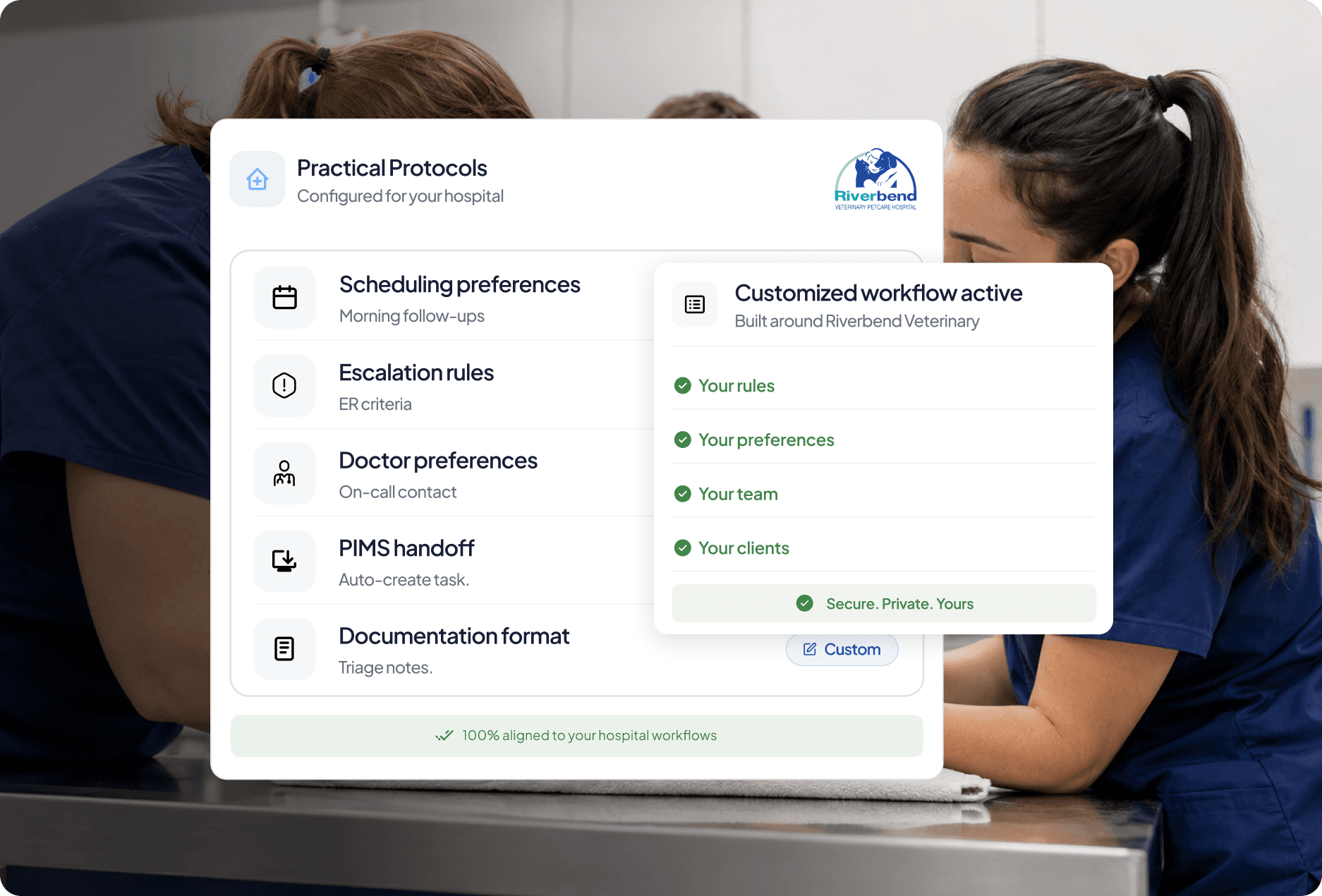
Image credit: guardianvets.com
Not all answering solutions are designed for use in veterinary medicine.
There is a significant difference between an answering service that caters to animal hospitals versus a standard service. In a vet setting late-night calls aren’t always simple. Clients may be concerned about toxins, post-surgical problems, breathing problems, vomiting, or if the pet needs emergency care. These scenarios require more than message-taking. They require judgement, structure, and calm communication from someone who is familiar with veterinary workflows and urgency.
This is where GuardianVets stands apart. Instead of acting as a call center, GuardianVets is an veterinary support partner that is which is run by a credentialed veterinarian. That distinction matters. A trained technician can assess the nature of the call, follow the clinic’s triage and escalation protocols, help the pet owner understand the level of urgency, and direct them toward the right next step without stepping outside the boundaries of the veterinary-client-patient relationship.
The triage services for veterinary patients can aid in making better decisions for everyone.
One of the most significant benefits of a true veterinary triage service is the way it can provide clarity in stressful situations. Pet owners rarely know whether a situation can be left until the next day, whether they should make a follow-up appointment or require emergency care immediately. Many are left in the dark, and are forced to rush to an emergency hospital unnecessarily or delay seeking care.
Triage is a way to bridge that gap. Triage provides pet owners with someone to talk to that is knowledgeable, decreases confusion and makes sure that urgent cases are escalated properly while non-emergent issues are recorded and handled in the right way. This helps vets avoid being interrupted by cases which do not really require intervention from a doctor after hours. It could be a huge aid in creating a better life-style balance, particularly in hospitals where the doctors have to handle both medical and on-call duties.
It is crucial that the call center you choose matches your requirements, and does not interfere with them.
A modern veterinary call center should not operate as a disconnected service sitting outside your practice. It should work as an extension of the team. This means that it has to understand your communication preferences and rules for appointments such as emergency protocols, escalation routes, and protocols. This includes integrating your PIMS, so you can ensure that your triage notes and schedule results flow into the system currently used by your team.
GuardianVets has been built around this concept. Their process includes auditing gaps in call coverage by mapping how the client’s communication is done, and developing an approach that is based on what is happening in the clinic rather than forcing the clinic to follow a strict template. This is a big change from the traditional answering service, which typically ends at the point of message capture, before sending it for the clinic.
Convenience is not the only benefit of better coverage after hours.
A reliable after-hours answering service for veterinarian practices does more than just help reduce the number of missed calls. It can also help to maintain client confidence in stressful situations and keep more cases in the network of your practice when needed and provide teams with a sustainable way to handle late-night demands. It also enhances revenue capture by turning requests for weekend or overnight hours into appointments booked instead of missed opportunities.
It is crucial for pet owners because it provides peace of mind knowing that there will be a person available to help them when in need. This type of assistance is crucial very much in veterinary medicine, since the majority of calls after hours are logistics. They’re emotional. People are worried about a beloved pet, and the way they respond can shape how they feel about the situation long after the immediate situation is solved.
Hospitals that wish to improve both client care and the overall wellbeing of their team, GuardianVets offers a model which goes beyond a traditional answering service for veterinarians. It helps practices stay available for their clients, even if clinic doors are closed. It does this through integrating workflows along with compassionate communication.